
BLOG
Cevurı: Origins, Meanings, and Cultural Significance of a Curious Word

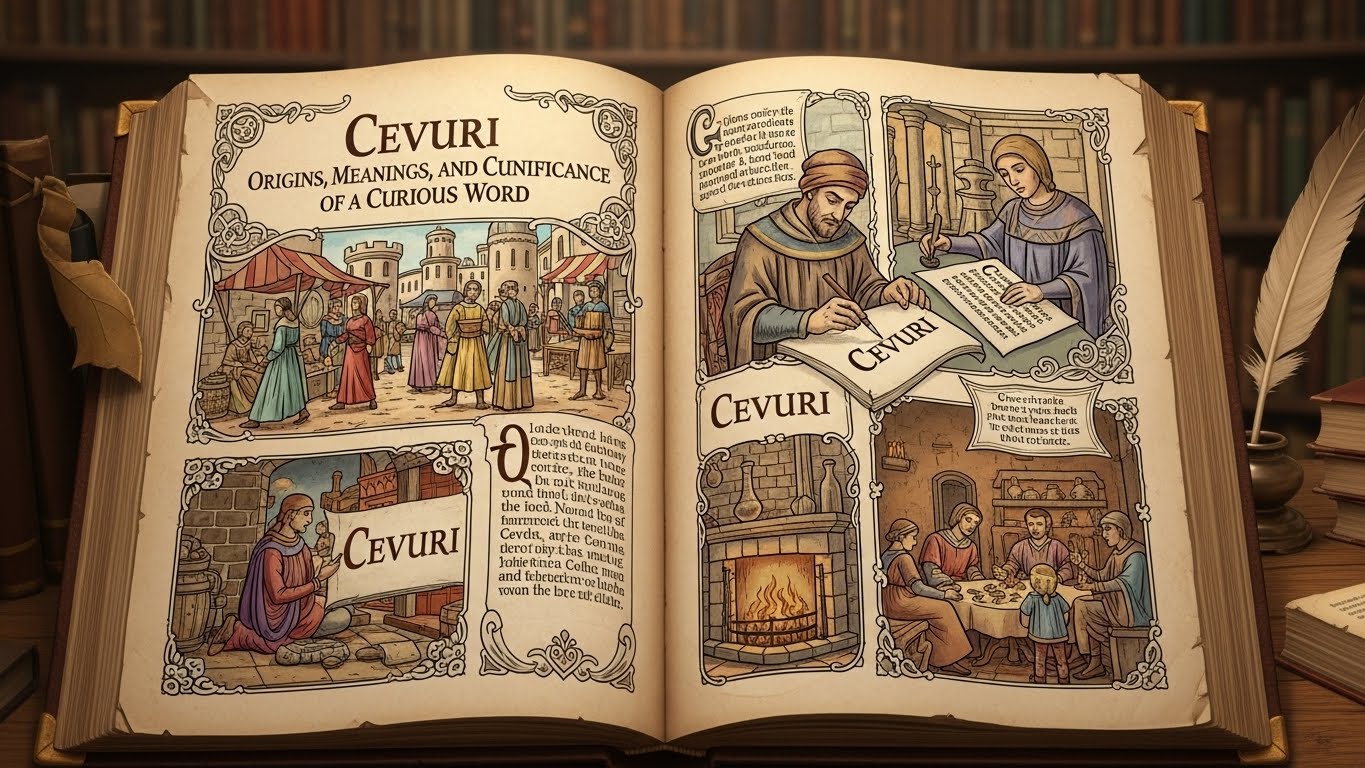
Sometimes, certain words catch the curiosity of people not just for their meaning, but for the mystery behind their origins and usage. One such intriguing word that’s gaining attention in digital and linguistic circles is “cevurı”. From online forums to localized linguistic studies, “cevurı” sparks both confusion and fascination.
But what exactly is “cevurı”? Is it a word rooted in Turkish, a dialect variation, a misspelling, or perhaps a digital coinage? In this comprehensive guide, we explore every known aspect of the word cevurı—its possible meanings, origins, usage across languages, and the cultural or contextual clues that surround it.
Introduction to Cevurı
The word cevurı is not listed in standard dictionaries and lacks a concrete meaning in formal linguistic corpora. Despite this, the term appears across social media, blog comments, language forums, and even memes. It has become one of those “internet curiosity” terms that prompt people to dig deeper.
At its surface, “cevurı” looks like a variation or misspelling of another word—possibly “çeviri,” which means “translation” in Turkish. However, some instances hint that the word has taken on a life of its own, diverging from standard use into something more playful, creative, or culturally layered.
Etymology and Possible Linguistic Roots
A Hypothesis in Turkish
A strong candidate for the root of “cevurı” is the Turkish word “çeviri”, which translates to “translation” in English. Turkish uses Latin script, and the letter ç (pronounced as “ch” in English) often gets mistyped or misrepresented in digital formats due to keyboard limitations.
If we consider:
çeviri → actual Turkish word meaning “translation”
cevuri/cevurı → possible mistyped or reimagined form of “çeviri”
It becomes plausible that “cevurı” originated from typographical errors in transliterating or typing “çeviri,” especially in environments where Turkish-specific characters like “ç” or “ı” (dotless ‘i’) are unavailable.
The Digital Origins of the Word “Cevurı”
Much of the current usage of cevurı appears to be concentrated in online spaces, particularly:
Language learning forums
Social media comments on translations
Turkish-English translator websites
Reddit threads about linguistic confusion
Meme culture centered around bad translation
For example, in some Facebook groups or Reddit threads focused on learning Turkish, users may joke about “cevurı” being the “funny cousin” of “çeviri.” In that sense, it becomes part of a humorous linguistic subculture.
Cevurı in Turkish Language Context
The Turkish Alphabet
To fully understand the transformation from “çeviri” to “cevurı”, we must consider the Turkish alphabet, which includes:
Unique letters like ç, ş, ğ, and ı
“ı” (dotless i) vs. “i” (dotted i) — a crucial difference
When users write Turkish using a standard QWERTY keyboard without Turkish character support, they often substitute:
ç → c
ı → i
or simply type phonetically as best they can
Thus, çeviri → cevuri is a predictable misspelling.
However, in some cases, we find cevurı—a more puzzling form, with a mix of the correct and incorrect characters. This suggests a blend of mistake and adaptation, possibly turning the word into a new internet slang.
Spelling Confusion: Cevurı vs. Çeviri
Here’s a breakdown of the potential confusion:
Actual Word Misspelling Variant Notes
çeviri cevuri Common misspelling due to keyboard limitations
çeviri ceviri No Turkish characters, but closer to original
çeviri cevurı A mix of substitutions—possibly accidental or playful
The frequent substitution of “ı” (dotless i) and “i” further complicates automated translation and spell-check processes, leading to widespread miscommunication or reinterpretation.
Usage in Online Platforms
Social Media
On platforms like Twitter or TikTok, “cevurı” is often used as a hashtag or caption in humorous contexts:
When machine translation fails
When someone posts a hilariously wrong subtitle
As a self-deprecating tag by Turkish speakers commenting on their own mistranslations
YouTube Comments
In multilingual music videos or K-drama clips, commenters sometimes jokingly refer to subtitles as “cevurı” when the translation is awkward or clearly done by an auto-translator.
Cevurı in Popular Culture and Memes
The internet loves a good inside joke, and “cevurı” has started appearing in Turkish meme pages and image macros. These memes typically highlight:
Mistranslated fast food menus
Funny subtitles in pirated movie torrents
Satirical “bad translator” screenshots
The word is used like a badge of poor translation—akin to saying “Engrish” or “Googlish” in English-speaking communities.
Linguistic Theories Around Cevurı
Some amateur linguists argue that cevurı represents a folk linguistic artifact—a made-up or corrupted form of a real word that becomes accepted in subcultures or informal communities.
This isn’t new. In many languages, mistaken forms evolve into accepted slang, especially in online communication.
Consider:
“Teh” instead of “the” in early internet chat
“Pwned” instead of “owned” in gaming circles
“L33t speak” from early hacker culture
In this light, cevurı could be part of Turkish internet speak, combining playful error with a shared cultural understanding.
Semantic Analysis and Interpretations
While “cevurı” has no dictionary meaning, it can be semantically associated with:
Mistranslation
Lost-in-translation humor
Digital Turkish-English communication
Linguistic adaptation or failure
It has grown beyond just a typo—it now symbolizes an experience or mood, similar to how words like “cringe” or “vibe” carry emotional weight in modern slang.
Cevurı as a Symbol of Language Evolution
Language isn’t static—it evolves with culture, technology, and human error. In the age of memes and machine translation, new forms like cevurı represent how non-standard usage can lead to new linguistic identities.Just as emoji became part of text-based language, “cevurı” becomes a textual symbol of multilingual digital life, reflecting how people engage with translation technology and cultural exchange.
Misuse or Innovation? Academic Viewpoints
While there is limited academic literature specifically on “cevurı,” broader research on digital language mutation supports its relevance.
Scholars have noted that:
Misspellings in online communities often develop into slang or memes.
Digital environments (texting, tweeting, etc.) encourage phonetic typing.
Multilingual keyboard issues contribute to hybrid language forms.
In that framework, cevurı is a perfect case study.
Future Implications and Usage Trends
As AI translation tools and multilingual apps become more sophisticated, words like cevurı might fade—or become relics of an earlier digital era. However, their existence teaches valuable lessons:
Language is not just about accuracy; it’s also about context and emotion.
Digital slang reflects real linguistic pressures, such as keyboard limitations or cultural nuances.
Playful innovation, even if unintentional, can lead to new forms of expression.
Cevurı may continue to exist in memes, ironic jokes, or as shorthand for “bad translation” among Turkish speakers online.
Conclusion
At first glance, “cevurı” appears to be nothing more than a typographical mistake.. From mistaken translations and quirky memes to cultural adaptation and linguistic play, the journey of cevurı illustrates how language—especially in the digital world—is always shifting, evolving, and redefining itself.
Whether you’re a linguist, a meme lover, or a language learner, the tale of cevurı serves as a reminder: sometimes, the mistakes we make with words become just as meaningful as the words themselves.

The real estate industry is undergoing a powerful transformation. Buyers, sellers, investors, and property managers are no longer satisfied with slow processes, limited information, and outdated systems. They want transparency, speed, data, and control — all in one place. This shift has created space for innovative platforms to emerge, and Sofoximmo is one of the names gaining rapid attention across real estate markets.
From simplifying property searches to offering smarter investment insights, Sofoximmo is increasingly viewed as a modern solution to long-standing real estate challenges. Its rising popularity is not accidental. Instead, it reflects deeper changes in how people interact with property, technology, and financial decisions.
This article explains why Sofoximmo is trending right now, what makes it different, and why it matters in today’s real estate landscape.
What Is Sofoximmo?
Sofoximmo is a modern real estate platform designed to streamline property discovery, evaluation, and management. Unlike traditional property listing websites that simply display available homes or commercial spaces, Sofoximmo focuses on insight-driven decision-making.
The platform brings together property listings, market intelligence, valuation tools, and user-friendly digital workflows. Its goal is simple: help users make smarter real estate decisions with confidence and clarity.
Sofoximmo appeals to a wide audience, including homebuyers, real estate investors, landlords, agents, and professionals who want a more efficient and transparent way to interact with property markets.
Why Traditional Real Estate Platforms Are Losing Relevance
To understand why Sofoximmo is trending, it’s important to look at the problems many people face with traditional real estate systems.
For decades, the industry has relied on manual processes, limited data access, and heavy dependence on intermediaries. Buyers often struggle to verify prices. Sellers face uncertainty about market demand. Investors lack reliable tools to measure long-term returns.
In addition, many older platforms suffer from poor user experience, outdated listings, and minimal analytical support. This creates frustration and mistrust — especially among younger, tech-savvy users.
Sofoximmo addresses these gaps directly, which is why it stands out in today’s competitive real estate environment.
The Core Reasons Sofoximmo Is Trending
1. A Data-First Approach to Real Estate
One of the biggest reasons Sofoximmo is gaining attention is its focus on data and analytics. Instead of relying on guesswork or outdated comparisons, users can access meaningful insights about property values, trends, and potential performance.
This data-first approach helps users understand not just what a property costs today, but what it might be worth tomorrow. In a market where timing and accuracy matter, this is a major advantage.
2. Smarter Property Search Experience
Searching for property is often overwhelming. Endless listings, unclear descriptions, and irrelevant results can waste time and energy.
Sofoximmo improves this experience by offering intelligent search tools that help users narrow down options based on real priorities. Location, budget, lifestyle needs, and investment goals are all taken into account.
The result is a cleaner, faster, and more focused search process — something modern users value highly.
3. Transparency That Builds Trust
Trust has always been a challenge in real estate. Hidden fees, misleading listings, and unclear pricing create uncertainty for buyers and sellers alike.
Sofoximmo places transparency at the center of its platform. Clear property details, realistic valuations, and straightforward information help users feel confident in their decisions.
This emphasis on openness is one of the main reasons people are talking about Sofoximmo and recommending it to others.
4. Designed for Both Buyers and Investors
Many real estate platforms focus only on homebuyers, ignoring the needs of investors. Sofoximmo bridges this gap by serving both audiences equally well.
For buyers, it offers clarity and simplicity. For investors, it provides tools to analyze returns, rental potential, and long-term growth. This dual focus makes Sofoximmo more versatile than many competing platforms.
As real estate increasingly becomes an investment strategy rather than just a lifestyle choice, this balance is driving Sofoximmo’s popularity.
Why Investors Are Paying Attention to Sofoximmo
Real estate investors rely heavily on information. They want to know where markets are heading, which areas show growth potential, and how to reduce risk.
Sofoximmo supports these needs by offering insights that go beyond surface-level listings. Investors can evaluate opportunities more strategically, compare properties, and build stronger portfolios.
This shift toward informed investing explains why Sofoximmo is becoming a preferred platform among both new and experienced investors.
A User Experience Built for the Modern World
Another reason Sofoximmo is trending is its clean, intuitive design. The platform is built for people who expect smooth digital experiences similar to modern banking or e-commerce apps.
Navigation is simple. Information is easy to understand. Tools are accessible even for users with limited real estate experience.
This ease of use lowers the barrier to entry and encourages more people to engage with property markets confidently.
The Role of Technology in Sofoximmo’s Growth
Technology plays a major role in Sofoximmo’s success. By integrating automation, analytics, and smart systems, the platform reduces manual effort and speeds up decision-making.
As real estate continues to embrace digital transformation, platforms that adopt advanced technology naturally attract more users. Sofoximmo is well positioned in this shift, which explains its rising visibility.
Meeting the Needs of a New Generation
Younger buyers and investors approach real estate differently than previous generations. They expect online access, instant insights, and full control over their decisions.
Sofoximmo aligns perfectly with these expectations. It empowers users to research, compare, and evaluate properties independently — without pressure or confusion.
This generational shift is a powerful force behind Sofoximmo’s growing popularity.
Why Sofoximmo Stands Out in Competitive Markets
Real estate markets are crowded with platforms, agents, and services. Standing out requires more than listings — it requires value.
Sofoximmo stands out by combining information, usability, and trust. It doesn’t overwhelm users with unnecessary complexity, nor does it oversimplify important decisions.
This balanced approach makes it appealing across different markets and user types, helping it gain traction faster than many alternatives.
Global Trends Supporting Sofoximmo’s Rise
Several global trends are contributing to Sofoximmo’s momentum:
Digital adoption in financial and property decisions is increasing rapidly. Remote work has changed how people choose where to live and invest. Cross-border property interest is growing.
Sofoximmo fits naturally into these trends by offering a platform that supports research, comparison, and planning from anywhere in the world.
The Future Potential of Sofoximmo
The reason Sofoximmo is trending today is not only because of what it offers now, but also because of what it represents for the future of real estate.
As technology evolves, platforms like Sofoximmo are expected to introduce smarter recommendations, predictive insights, and even more automation. This future-ready mindset makes users confident that they are investing time and trust in a platform that will continue to grow.
Why Sofoximmo Matters for Real Estate Professionals
Real estate professionals also benefit from Sofoximmo’s approach. Agents, consultants, and property managers can use clearer data and insights to better serve clients.
This improves communication, reduces misunderstandings, and strengthens professional credibility. As a result, Sofoximmo is gaining attention not only from consumers but also from industry experts.
The Power of Simplicity in Complex Markets
Real estate is inherently complex. Legal processes, financial decisions, and emotional factors all intersect.
Sofoximmo succeeds because it simplifies complexity without removing depth. Users get access to meaningful information without feeling overwhelmed.
This balance is rare — and it is one of the strongest reasons why Sofoximmo continues to trend.
Conclusion
Sofoximmo is trending in real estate markets right now because it represents what modern users want: clarity, control, intelligence, and trust. It responds directly to long-standing frustrations in the industry and replaces them with a smarter, more transparent experience.
By combining technology, data, and user-focused design, Sofoximmo is not just another real estate platform — it is part of a broader shift in how people interact with property.
As real estate continues to evolve, platforms like Sofoximmo will play a central role in shaping the future of buying, selling, and investing. That is why Sofoximmo is not only trending today — it is positioning itself for long-term relevance.
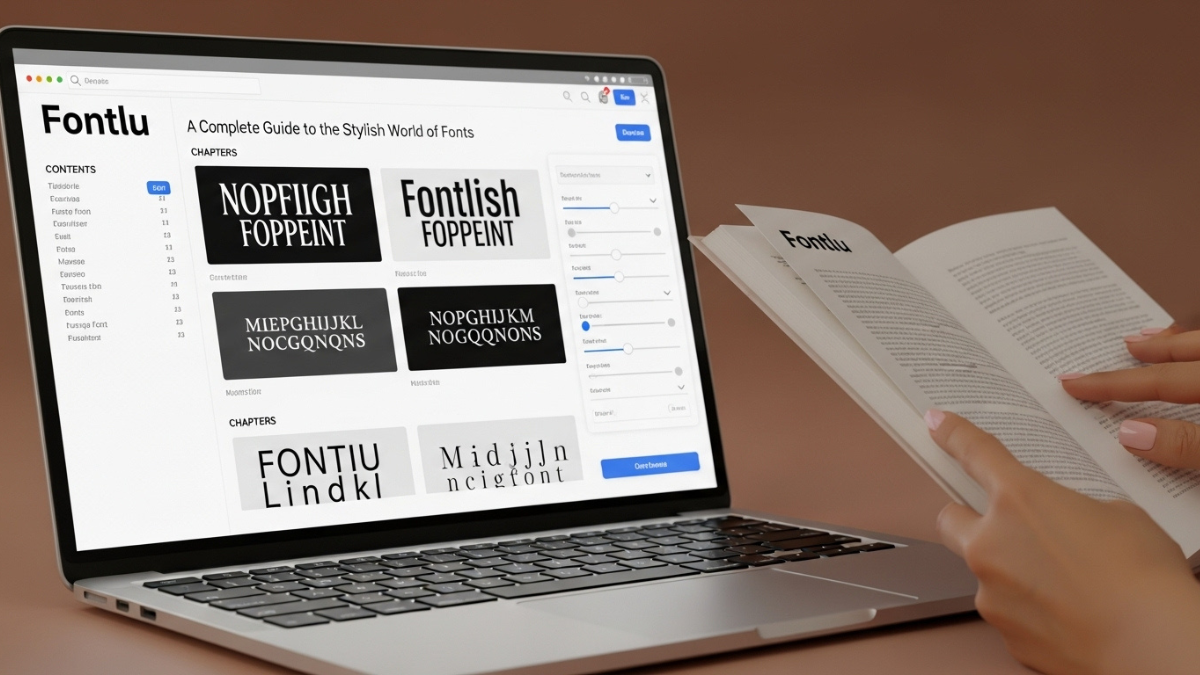
In the rapidly evolving digital age, typography has become more than just the art of arranging letters—it’s now an essential part of brand identity, user experience, and visual communication. One platform that is catching the eye of designers, developers, and creative professionals is Fontlu. Whether you’re a typography enthusiast, a web designer, or a content creator, Fontlu offers an exciting playground to explore and integrate stylish fonts into your projects.
But what exactly is Fontlu? Is it just another font directory, or does it bring something unique to the world of digital typography?
This comprehensive guide will delve into everything you need to know about Fontlu—from its purpose and features to its role in modern design workflows, and why it’s gaining traction in the creative community.
What is Fontlu?
Fontlu is a rising star in the world of digital typography platforms. At its core, Fontlu is an online repository and font-sharing platform that offers a wide array of free and premium fonts curated for designers, developers, and branding professionals.
Fontlu distinguishes itself through:
A user-friendly interface
Seamless integration with design tools
Font previews and customization features
Community-driven uploads and ratings
Fontlu is designed not only as a download platform but also as a collaborative space for typographers and font creators to showcase their work and gain visibility.
Why Fonts Matter in the Digital Era
Before diving deeper into Fontlu, it’s essential to understand why fonts are critical in modern communication.
1. Typography Influences Perception
Fonts affect how readers interpret and feel about your content. A serif font like Times New Roman exudes tradition and seriousness, while a handwritten font like Pacifico brings a sense of creativity and informality.
2. Brand Recognition
Major brands invest heavily in custom fonts. Think of Coca-Cola’s iconic script or Google’s clean and minimalistic font.
3. User Experience
Readable fonts improve engagement and accessibility, especially in digital interfaces where user attention is limited.
4. Cultural Impact
Fonts also carry cultural significance. They can be tailored to specific languages, emotions, and even historical periods.
Key Features of Fontlu
Fontlu has gained attention due to its rich feature set tailored to modern design needs.
1. Extensive Font Library
Fontlu hosts thousands of fonts, with new ones being added weekly. Categories include:
Serif and Sans-Serif Fonts
Handwriting and Calligraphy
Display and Decorative
Monospaced
Retro and Vintage
Modern Minimalist
Each font is available with a preview window to test how it looks in different text formats.
2. Font Customizer Tool
Fontlu offers an in-browser customization feature that allows users to:
Adjust weight and size
Change spacing and kerning
Test font pairs
Preview in light/dark themes
This helps designers save time by previewing their options before downloading.
3. Font Pairing Suggestions
Pairing fonts effectively is an art. Fontlu provides AI-powered font pairing recommendations to create harmonious typography combinations for web and print.
4. Web Font Integration
Fontlu supports web embedding options, similar to Google Fonts. Users can copy a stylesheet link or download the fonts for local hosting.
5. User Reviews and Ratings
Fonts are rated by users based on readability, design, and usability. This helps others choose high-quality, community-approved fonts.
6. Font Creator Portal
For type designers, Fontlu offers a dedicated portal to:
Upload fonts
Set licensing terms (free, donationware, commercial use)
Track downloads and engagement
Receive community feedback
How to Use Fontlu
Step 1: Create an Account
You can browse and preview fonts without an account, but downloading, saving favorites, and uploading fonts require registration.
Step 2: Browse or Search Fonts
Use categories or the search bar to find fonts. You can filter by:
Style
Language support
Licensing
Popularity
Newest uploads
Step 3: Test and Customize
Click on any font to access its preview tool. You can type in your own text and adjust its styling to see how it looks.
Step 4: Download or Embed
Once satisfied, download the font files (typically in .TTF or .OTF formats) or copy the web embed code for websites.
Step 5: Attribution and Licensing
Always check licensing information. Some fonts are free for commercial use, while others require attribution or a purchase.
Fontlu vs. Other Font Platforms
Google Fonts
Strengths: Free, easy integration, excellent for web use.
Limitations: Limited artistic or experimental font styles.
Fontlu Advantage: Offers both mainstream and niche artistic fonts.
DaFont
Strengths: Huge collection, lots of novelty fonts.
Limitations: Often lacks quality control, unclear licensing.
Fontlu Advantage: Curated library with clear licensing.
Adobe Fonts
Strengths: Professional-grade, seamless Adobe integration.
Limitations: Requires Adobe subscription.
Fontlu Advantage: Free and open access for most resources.
Use Cases for Fontlu
1. Web Design
Fontlu’s web-safe fonts and preview tools make it ideal for website designers. From elegant headings to readable body text, there’s a font for every UX goal.
2. Branding and Logo Design
Fontlu hosts several exclusive font families that help brands stand out.
3. Social Media Graphics
Fontlu provides bold and eye-catching fonts perfect for quotes, banners, and ad creatives.
4. Print Media
Magazines, brochures, and posters benefit from Fontlu’s extensive selection of high-quality print-friendly fonts.
5. Mobile App Development
Typograp Fontlu provides lightweight, mobile-optimized fonts that enhance visual appeal without bloating the app size.
Fonts and Licensing: What You Need to Know
One of the most important aspects of using fonts from any platform is understanding licensing.
Fontlu provides clear tags such as:
Free for Personal Use
Free for Commercial Use
Donationware
Requires Attribution
Commercial License Required
Always read the license information before using a font in a commercial project to avoid copyright infringement.
The Rise of Font Creators on Fontlu
Fontlu isn’t just for users. It’s also a growing platform for typographers and font designers looking to share and monetize their creations.
Features for creators include:
-
Profile pages showcasing their entire font portfolio
-
Analytics dashboard for download tracking
-
Community feedback and ratings
-
Monetization options, such as selling premium fonts or accepting donations
This democratizes the typography market, giving exposure to talented designers worldwide.
Font Trends on Fontlu in 2025
As of 2025, here are some typography trends dominating Fontlu:
-
Variable Fonts – Fonts that offer adjustable weight, width, and slant from a single file.
-
Retro Revival – 70s and 90s style fonts are making a comeback.
-
Geometric Sans-Serifs – Clean and modern, ideal for tech and startups.
-
Handwritten Fonts – Perfect for lifestyle brands and personal blogs.
-
Maximalist Display Fonts – Bold, expressive fonts for poster and header use.
Community and Support
Fontlu maintains a supportive community through:
-
Forums and Discord channels
-
Tutorials and how-to guides
-
Design challenges and font contests
-
Monthly newsletters featuring top-rated fonts
There is also a help center and direct support for both users and creators.
Conclusion
In a world where attention spans are shrinking and visual aesthetics are paramount, typography plays a pivotal role in communication. Fontlu emerges as a powerful platform that caters to both casual users and design professionals, offering a seamless blend of usability, creativity, and community.
Whether you’re designing a brand, building a website, writing a book, or simply exploring the beauty of letters, Fontlu offers a world of possibilities. With its diverse font library, powerful tools, and inclusive creator ecosystem, Fontlu is more than just a font site—it’s a hub for creative expression.
Frequently Asked Questions (FAQs)
1. Is Fontlu free to use?
Yes, most fonts on Fontlu are free for personal use. However, always check the license for commercial use requirements.
2. Can I upload my own fonts to Fontlu?
Yes! Fontlu encourages designers to upload and share their fonts, with options to monetize or offer them freely.
3. Is Fontlu safe?
Absolutely. Fontlu verifies all uploaded files and provides clear license guidelines to protect both users and creators.
4. How do I use Fontlu fonts in a website?
You can either download the font files and self-host them or use the embed code provided by Fontlu for seamless integration.
5. Does Fontlu support multiple languages?
Yes, many fonts on Fontlu support Latin, Cyrillic, Arabic, and other scripts. Use the language filter to search accordingly.
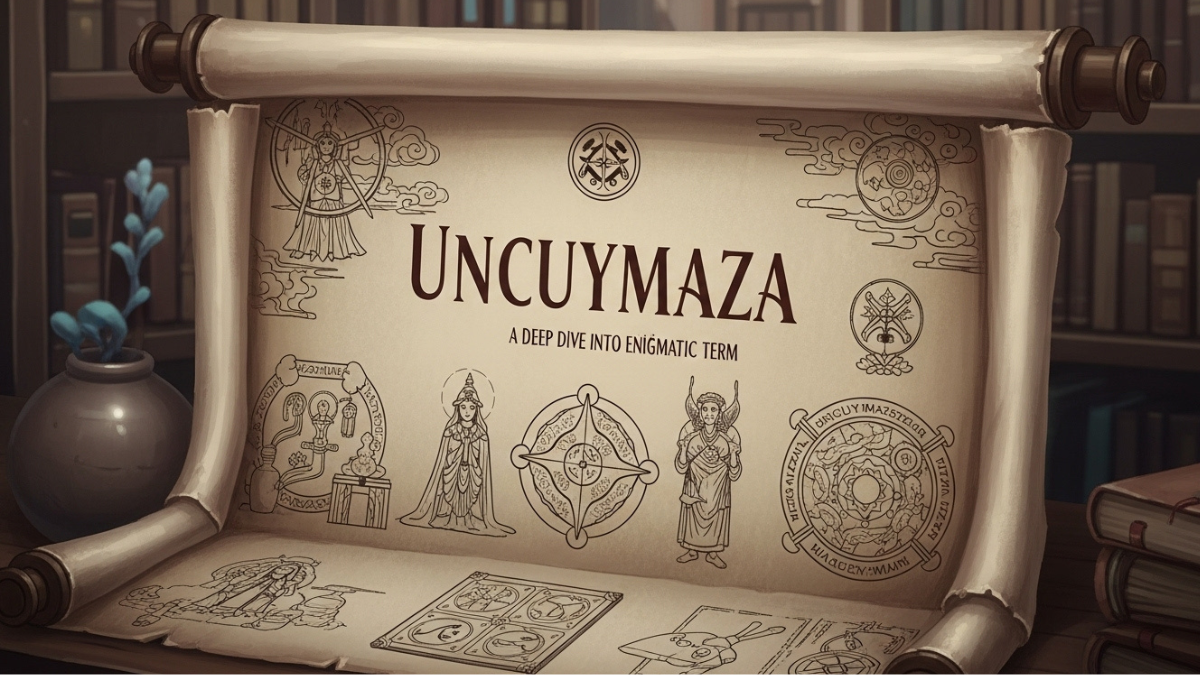
One such mysterious term that has recently surfaced is “Uncuymaza.” With almost no precedent in academic literature or mainstream usage, Uncuymaza has intrigued internet users, linguists, researchers, and even speculative fiction fans. Is it a name, a brand, a coded phrase, or perhaps a term from a lost culture?
In this article, we will explore the possible meanings, origins, applications, and digital footprint of the term Uncuymaza. We’ll examine whether it’s a linguistic anomaly, a hidden internet easter egg, a fictional artifact, or even a clever marketing strategy. Whatever the origin, Uncuymaza is a word you’re likely to hear more of—especially if curiosity-driven content continues to flourish online.
Chapter 1: Understanding the Word “Uncuymaza”
Etymology Speculation
At first glance, Uncuymaza appears to be a portmanteau or a constructed word. If we break it down:
“Uncuy” might resemble Quechua, the indigenous language spoken in parts of Peru and Bolivia. In Quechua, “uncu” can mean sick, or unwell. The suffix “-y” often makes it possessive.
“Maza” may resemble Spanish or Arabic roots. In Spanish, maza means “mace” or “club,” often used in historical weaponry or as a cooking term (e.g., masa = dough).
The combination “Uncuymaza” might imply:
“The mace of the sick”
“Possession of sickness and power”
Or simply, a fictional construct created for aesthetic appeal
These are, of course, speculative linguistics—but intriguing nonetheless.
Phonetics and Appeal
Phonetically, Uncuymaza is smooth yet powerful. The balance of vowels and consonants, the mysterious “z,” and the exotic feel of the word give it a strong brand potential or mythological resonance.
It sounds like a character from a fantasy novel, the name of a digital universe, or even a term from an untranslatable language. This opens up avenues for how the term could evolve online.
Chapter 2: The Digital Footprint of Uncuymaza
Search Engine Trends
As of mid-2025, searching “Uncuymaza” yields minimal results, mostly scattered across speculative forums, AI-generated content, or newly launched domains trying to capitalize on novel keywords.
Interestingly, the keyword appears on:
Fictional wiki projects
Name generators
AI-generated writing platforms
New-age digital branding ideas
This suggests Uncuymaza is part of a nascent trend—a blank slate waiting to be filled with meaning.
Social Media Echoes
A few hashtags like #uncuymaza, #uncuymazaverse, and #whatisuncuymaza have appeared on TikTok, Reddit, and Twitter (now X). These discussions center around:
Fantasy roleplaying ideas
“Lost words” challenges
Cryptic storytelling games
The mystery around it enhances its viral potential.
Chapter 3: The Rise of Constructed Language (ConLangs) and Fictional Terminology
A Brief History of ConLangs
The world has seen a rise in constructed languages (ConLangs):
Tolkien’s Elvish
Klingon from Star Trek
Dothraki and Valyrian from Game of Thrones
Esperanto and other artificial languages
Uncuymaza could very well fit into this category—a term created to enrich a fictional world or language.
Storytelling and Myth
Terms like “Uncuymaza” often thrive in speculative fiction. Imagine a narrative where:
Uncuymaza is a sacred relic
A lost city in the Andes bears the name
A celestial event or cosmic deity is called Uncuymaza
Writers and gamers love words that feel ancient yet unfamiliar, and Uncuymaza delivers that perfectly.
Chapter 4: Potential Applications of the Term
As a Brand Name
In the commercial world, a unique and unclaimed name is a marketer’s dream. “Uncuymaza” could be used for:
An indie video game title
A fashion brand rooted in mythological themes
A line of artisan products inspired by Latin-American heritage
A blockchain startup focusing on mysterious or encrypted digital assets
Its uniqueness helps with domain availability, SEO dominance, and brand differentiation.
As a Digital Project
In tech, Uncuymaza could be:
A new metaverse platform
An AI assistant or digital avatar
A cryptographic algorithm name
A conceptual art installation project involving language and interpretation
The word’s abstract nature makes it flexible across disciplines—from web3 to academic research.
Chapter 5: Uncuymaza in Popular Culture and Speculative Fiction
Imagining Uncuymaza in Fantasy Fiction
Here’s a fictional excerpt from an imagined book:
“As the fourth moon rose over the obsidian cliffs of Tilaren, the Priests of the Uncuymaza gathered in silence. Cloaked in obsidian and smoke, they whispered the name that could break time itself.”
In such narratives, Uncuymaza becomes a powerful force—mystical, forbidden, and deeply tied to lore.
Chapter 6: The Psychology of Unknown Words
Why Do We Love Mysteries?
Humans are wired for pattern recognition and meaning-making. When confronted with a term like Uncuymaza, which defies our lexical expectations, our brain lights up with curiosity. This triggers:
Speculation
Imaginative thinking
Semantic connections
This is similar to the allure of the Voynich manuscript or the language of Enochian magic.
Semantic Empty Vessels
Linguists sometimes refer to unique, undefined words as semantic empty vessels—they gain meaning based on their usage and emotional context.
So, “Uncuymaza” may mean nothing now but could grow into:
A meme
A cultural symbol
A movement
An artistic motif
Language is not static—it is created and transformed by people. Uncuymaza may be tomorrow’s “Google.”
Chapter 7: Academic and Cultural Interpretations
Anthropological Perspective
Could “Uncuymaza” be a relic term from an undocumented indigenous dialect?
Researchers of extinct languages might explore:
Andean oral traditions
Pre-Columbian naming customs
Amazonian linguistic patterns
If Uncuymaza were found in a colonial-era codex, it would become a hot topic in ethnolinguistics.
Artistic Interpretations
contemporary artists and poets often invent new words for:
Breaking conventional norms
Challenging linguistic authority
Expressing inexpressible emotion
Poems or abstract art titled “Uncuymaza” could thrive in avant-garde circles.
Chapter 8: Community-Driven Evolution
Creating a Shared Meaning
With enough traction, communities can agree upon a definition for “Uncuymaza.” For instance, users on Reddit could decide:
It means “hope in chaos”
Or “the art of surviving unseen”
This collaborative storytelling is what makes internet culture so powerful.
Launching a “Meaning Campaign”
Imagine a global challenge: “Define Uncuymaza in your own words.”
Participants from every corner of the world contribute stories, poems, art, or videos. Eventually, the word takes on a life of its own—a collective artifact of human creativity.
Conclusion
Uncuymaza is more than just a cryptic term—it’s a blank canvas for creativity, branding, linguistics, and collective meaning-making. Whether it began as a typo, an AI-generated string, or an ancient whisper long forgotten, the word has potential beyond measure.
It might become a digital empire, a literary myth, or simply a viral curiosity that brings people together. In an age where identity, culture, and expression are more fluid than ever, Uncuymaza stands as a symbol of possibility.
So next time you hear someone whisper, “Uncuymaza,” don’t just ask what it means. Ask what you want it to mean.
-

 HEALTH1 month ago
Mega-Personal.net Health Archives: The Ultimate Guide to Health Information and Resources
-

 FASHION2 months ago
Why Fashion Is Important to People: A Deep Dive Into Its Cultural, Psychological, and Social Impact
-

 NEWS1 month ago
Forestry Development Authority: Guardians of Our Forests
-

 BLOG2 months ago
Exploring the Revolutionary Potential of New Software 418DSG7
-

 CRYPTO1 month ago
Crypto30x.com: A Comprehensive Investigation Into the 30X Returns Crypto Platform
-

 CRYPTO1 year ago
LessInvest.com Crypto: A Comprehensive Guide to Smart Cryptocurrency Investing
-

 NEWS1 month ago
Tecnoregio News: Your Ultimate Guide to Innovation, Industry Updates, and Regional Technology Insights
-
 FASHION2 months ago
Farfetch Affiliate Program: A Complete Guide for Fashion Affiliates