
technology
From Installation to Impact: Understanding HMS Photovoltaik Systems


As the world shifts towards sustainable energy solutions, HMS Photovoltaik systems are emerging as a powerful player in the renewable energy landscape. These innovative solar technologies harness sunlight to generate clean electricity, making them a popular choice for both residential and commercial applications. But what exactly goes into these systems? How do they work, and what makes them stand out among other energy alternatives?
Whether you’re an eco-conscious homeowner or a business owner looking to cut costs while reducing your carbon footprint, understanding HMS Photovoltaik could be your key to a more sustainable future. Join us on this journey as we explore everything from installation processes to the broader impact of these impressive photovoltaic systems on our environment and economy.
How Do HMS Photovoltaik Systems Work?
HMS Photovoltaik systems harness sunlight to produce electricity, transforming how we power our lives. They utilize solar panels composed of photovoltaic cells that capture sunlight and convert it into direct current (DC) electricity.
The process begins when sunlight strikes the surface of these cells. This interaction excites electrons, causing them to move and generate an electric flow. The DC electricity is then channeled through an inverter, converting it to alternating current (AC), which is compatible with home appliances.
These systems can be grid-tied or stand-alone, depending on energy needs. A grid-tied system connects directly to the local utility, allowing excess power generation to feed back into the grid. In contrast, a stand-alone setup operates independently, ideal for remote locations without access to traditional power sources.
Monitoring devices track performance and energy output in real-time. This ensures optimal efficiency and helps users maximize their investment in renewable energy technology.
Types of HMS Photovoltaik Systems
HMS Photovoltaik systems come in several distinct types, each tailored to specific needs. The most common are grid-tied systems. These connect directly to the local utility grid, allowing users to draw power when needed and send excess energy back for credits.
Off-grid systems operate independently of the grid. They include battery storage options, making them ideal for remote locations where electricity access is limited or unreliable.
Hybrid systems combine both approaches. They provide flexibility by connecting to the grid while also utilizing batteries for backup. This setup ensures a steady power supply during outages.
Building-integrated photovoltaics (BIPV) seamlessly integrate solar technology into conventional structures like roofs or facades. This innovative design doesn’t just generate energy; it enhances aesthetic appeal too. Each type caters to different preferences and requirements in harnessing solar energy efficiently.
Benefits of Using HMS Photovoltaik Systems
HMS Photovoltaik systems offer numerous advantages for both residential and commercial users. One of the most compelling benefits is energy independence. By harnessing solar power, you reduce reliance on conventional energy sources, leading to significant savings on electricity bills.
These systems also contribute to sustainability efforts. They generate clean energy, lowering your carbon footprint and promoting a greener planet. As renewable energy becomes increasingly essential, using HMS Photovoltaik aligns with global efforts to combat climate change.
Another great aspect is the return on investment. Many regions provide incentives such as tax credits or rebates for installing solar panels. This financial support can significantly offset initial costs, making it an attractive option.
Moreover, HMS Photovoltaik systems are known for their durability and low maintenance requirements. Once installed, they generally require minimal upkeep while delivering long-lasting performance and efficiency in energy production.
Factors to Consider Before Installing a System
Before installing an HMS Photovoltaik system, it’s crucial to assess your energy needs. Understanding how much power your household or business consumes can guide you in selecting the right system size.
Next, consider the space available for installation. Roof orientation and shading from trees or buildings significantly impact solar efficiency. A clear, unobstructed area is ideal for maximizing sunlight exposure.
Local climate also plays a role in performance. Areas with consistent sunlight will see better returns on investment compared to regions with frequent cloud cover.
Budgeting is another key factor. Analyze the upfront costs against potential savings on electricity bills over time. Incentives like tax credits can help offset initial expenses.
Research local regulations and permits required for installation. Compliance ensures a hassle-free setup process while maintaining safety standards throughout operation.
Steps for Installation and Maintenance
Installing an HMS Photovoltaik system involves several key steps. First, assess your energy needs and site suitability. This will guide the size and type of system required.
Next, select a reputable installer with experience in HMS systems. They will conduct a thorough inspection to ensure optimal placement for maximum sunlight exposure.
Once installation begins, expect the mounting structure to be secured first. Then, solar panels are fixed onto this framework before connecting them to an inverter that converts DC electricity into AC power.
Maintenance is vital for long-term performance. Regularly cleaning the panels helps remove dirt and debris that can hinder efficiency. Additionally, scheduling annual inspections ensures all components function correctly.
Monitoring system performance through apps can alert you to any issues promptly. Being proactive extends your investment’s life while maximizing energy output effectively.
The Impact of HMS Photovoltaik Systems on the Environment and Economy
HMS Photovoltaik systems play a crucial role in promoting sustainable energy solutions. By harnessing solar power, these systems significantly reduce reliance on fossil fuels. This transition leads to lower greenhouse gas emissions, contributing to a healthier planet.
Additionally, the adoption of HMS Photovoltaik systems fosters economic growth. As more households and businesses invest in solar technology, job opportunities arise within the installation and maintenance sectors. This shift can invigorate local economies and stimulate growth.
Moreover, utilizing solar energy can decrease electricity costs for users over time. The initial investment often pays off through reduced utility bills and potential government incentives aimed at encouraging renewable energy use.
Communities benefit from cleaner air as traditional power plants are phased out. With improved air quality comes enhanced public health outcomes, leading to decreased healthcare costs related to pollution-related illnesses.
Conclusion
The world of HMS Photovoltaik systems offers a transformative approach to energy consumption. By harnessing the power of the sun, these systems not only provide sustainable energy solutions but also contribute significantly to reducing carbon footprints.
From understanding how they operate to exploring their various types and benefits, it is evident that utilizing HMS Photovoltaik technology can lead to substantial environmental advantages and economic savings. However, potential users must carefully consider installation factors and maintenance needs before taking the leap.
As more individuals and businesses turn toward renewable energy sources like HMS Photovoltaik systems, we witness a shift towards a greener future. The positive impact on both our planet and economy cannot be understated; this technology embodies progress in aligning human activity with nature’s rhythms.
Adopting an HMS Photovoltaik system may very well be one of the most impactful decisions for anyone looking to invest in clean energy while making tangible contributions toward a sustainable future. Embracing this change signifies not just an investment in infrastructure but also an investment in maintaining our environment for generations to come.
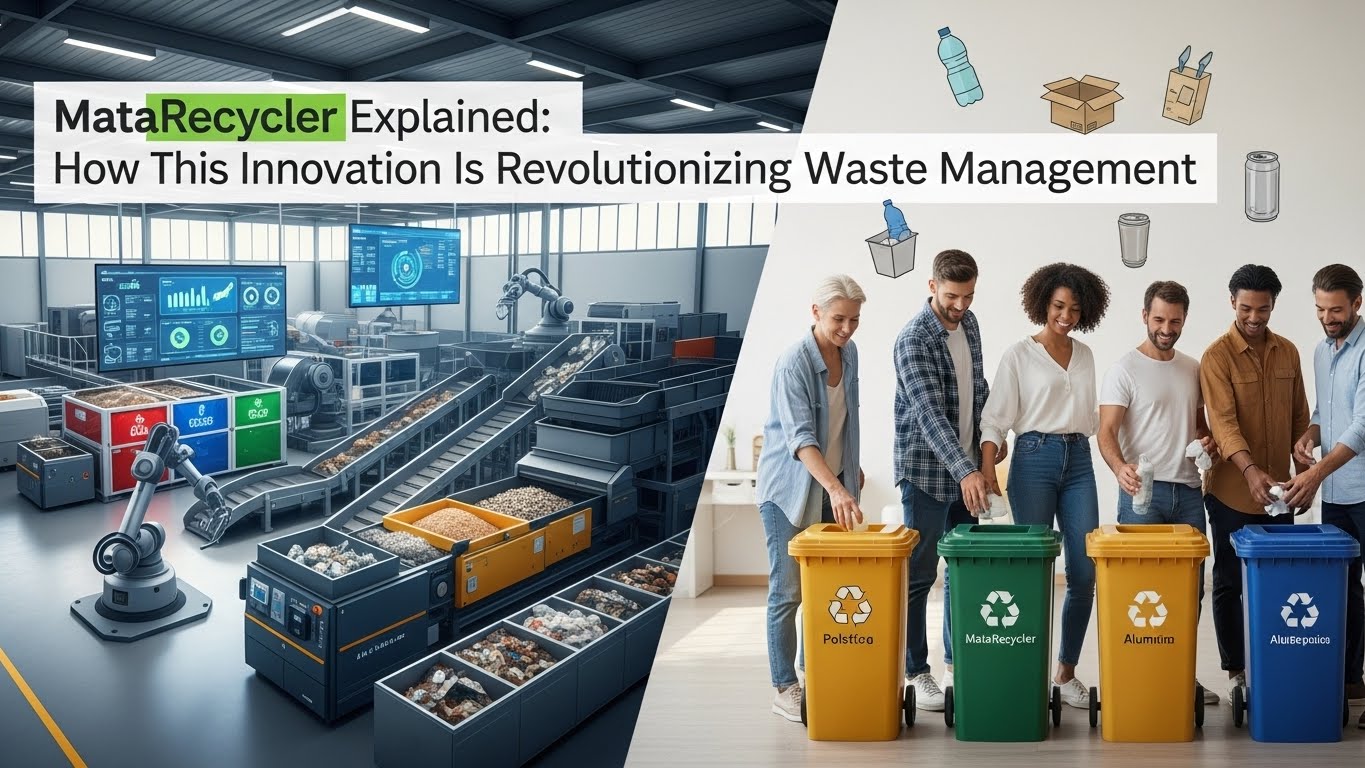
Waste management has long been a pressing issue in both urban and rural areas worldwide. With rising populations, industrialization, and urban sprawl, traditional waste disposal methods are proving inadequate. MataRecycler, a cutting-edge innovation in waste management, is emerging as a transformative solution that addresses these challenges efficiently and sustainably. This article delves into what MataRecycler is, how it works, its benefits, and its potential to reshape the waste management landscape globally.
Understanding MataRecycler
MataRecycler is a state-of-the-art waste management system designed to optimize recycling processes and minimize environmental impact. Unlike conventional waste management systems that often rely on landfills or incineration, MataRecycler integrates smart technology, automation, and sustainable practices to handle waste more effectively. It focuses on sorting, processing, and converting waste into reusable materials, thereby promoting a circular economy.
The Core Technology Behind MataRecycler
MataRecycler leverages several advanced technologies to function efficiently:
- Automated Sorting Systems: MataRecycler employs AI-driven robots and conveyor systems to sort waste based on type, size, and material composition. This reduces human error and increases the speed and accuracy of waste segregation.
- Advanced Recycling Techniques: Using processes like chemical recycling, bioconversion, and thermal treatment, MataRecycler converts waste materials into reusable products, energy, or compost, depending on the waste type.
- IoT and Data Analytics: MataRecycler is equipped with sensors and IoT devices that monitor waste levels, types, and flow. Data analytics then optimizes collection routes, recycling methods, and overall efficiency.
- Energy Recovery Systems: Certain types of non-recyclable waste are transformed into energy through controlled combustion or anaerobic digestion, reducing landfill dependency.
How MataRecycler Works
The operation of MataRecycler can be broken down into key stages:
- Collection: MataRecycler works with municipal bodies and private organizations to collect waste systematically. Smart bins equipped with sensors notify collection teams when they are full, reducing unnecessary trips.
- Sorting: At the processing center, waste undergoes automated sorting. AI-powered systems identify recyclable plastics, metals, paper, organic waste, and hazardous materials.
- Processing: Sorted waste is then processed using specialized methods. Organic waste is composted or converted to biogas, plastics undergo chemical recycling, and metals are melted and reused.
- Distribution: Recycled materials are sold to manufacturers or used internally in creating eco-friendly products. Energy generated from waste can power the facility or be distributed to the grid.
- Monitoring and Feedback: MataRecycler continuously monitors its operations, providing insights to improve efficiency and reduce environmental impact.
Benefits of MataRecycler
MataRecycler offers a wide range of benefits, both environmentally and economically.
- Environmental Benefits:
- Reduction in Landfill Usage: By diverting waste from landfills, MataRecycler minimizes soil contamination and greenhouse gas emissions.
- Pollution Control: Proper recycling reduces air, water, and soil pollution.
- Conservation of Resources: Recycling metals, plastics, and paper reduces the need for raw materials.
- Climate Change Mitigation: Waste-to-energy processes and reduced landfill emissions contribute to lower carbon footprints.
- Economic Benefits:
- Job Creation: MataRecycler facilities require skilled labor, boosting employment.
- Cost Savings: Efficient waste processing reduces municipal disposal costs.
- Revenue Generation: Sale of recycled materials and energy production creates new revenue streams.
- Support for Circular Economy: Recycled materials feed industries, reducing dependence on virgin resources.
- Social Benefits:
- Public Health Improvement: Reducing unmanaged waste lowers the risk of disease.
- Community Engagement: Awareness campaigns and community participation foster responsible waste habits.
- Aesthetic Enhancement: Cleaner cities and neighborhoods improve overall quality of life.
Case Studies and Implementation
Several cities and organizations worldwide are already adopting MataRecycler with promising results.
- Urban Implementation: In metropolitan areas, MataRecycler has successfully reduced landfill usage by 40% and increased recycling rates by 60% within the first year of operation.
- Industrial Adoption: Factories using MataRecycler systems have seen cost reductions in waste disposal and raw material procurement, thanks to the recycled by-products.
- Rural Deployment: In rural regions, MataRecycler has facilitated decentralized waste management, turning agricultural and organic waste into biogas and compost, supporting sustainable farming.
Challenges and Solutions
Despite its advantages, implementing MataRecycler faces some challenges:
- High Initial Investment: Advanced technology requires significant capital.
- Solution: Public-private partnerships and government incentives can offset costs.
- Technical Expertise: Operating AI-driven systems needs trained personnel.
- Solution: Comprehensive training programs and knowledge transfer initiatives can address skill gaps.
- Community Resistance: People may be reluctant to adopt new waste segregation habits.
- Solution: Awareness campaigns and incentives for responsible waste disposal can improve participation.
- Regulatory Hurdles: Compliance with local and international waste management regulations can be complex.
- Solution: Collaboration with regulatory bodies ensures adherence while facilitating smooth operations.
Future Prospects of MataRecycler
The potential of MataRecycler extends far beyond current applications. Future innovations may include:
- Smart City Integration: Integration with urban planning and smart city infrastructure for real-time waste management.
- Enhanced AI Algorithms: Improved machine learning models to optimize sorting, energy conversion, and predictive maintenance.
- Global Expansion: Scaling the technology to emerging markets and developing nations to tackle waste management crises.
- Circular Economy Models: Partnering with industries to create fully sustainable supply chains using recycled materials.
- Environmental Research: Data from MataRecycler facilities can contribute to global environmental studies and policy-making.
Conclusion
MataRecycler represents a groundbreaking step in waste management, offering a holistic solution that combines technology, sustainability, and community engagement. Its ability to efficiently sort, process, and convert waste into reusable materials or energy addresses both environmental and economic challenges. As cities worldwide grapple with growing waste volumes and environmental concerns, innovations like MataRecycler will be pivotal in shaping a sustainable future. By reducing landfill dependency, conserving resources, and supporting a circular economy, MataRecycler is not just an innovation in waste management—it is a catalyst for global environmental change.
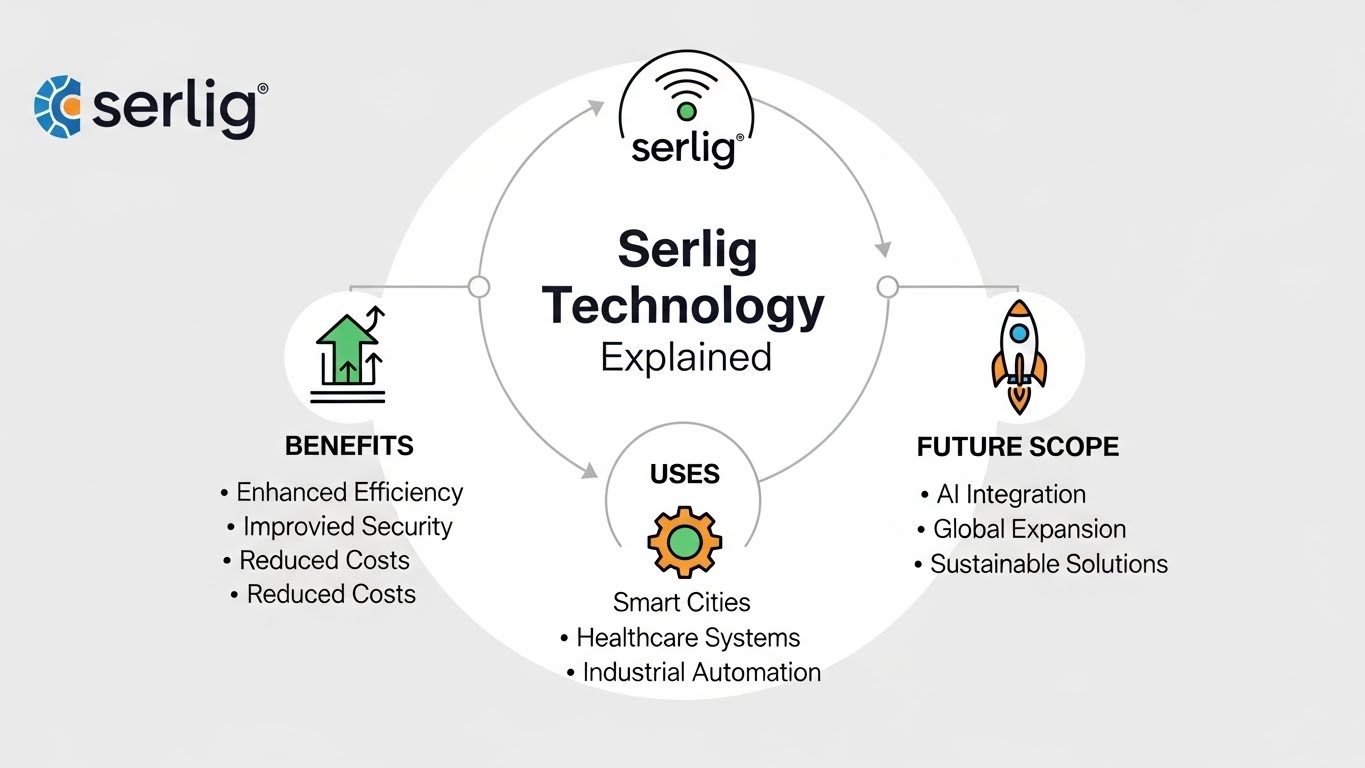
Serlig technology is an emerging digital concept designed to simplify complex systems while improving performance and efficiency. As businesses and individuals rely more on automation, data, and connected platforms, Serlig is gaining attention as a flexible and future‑ready approach. It focuses on practical innovation, making technology easier to use, scale, and manage in real‑world environments.
What Is Serlig Technology? A Clear and Simple Explanation
Serlig technology refers to a modern digital framework designed to optimize workflows, improve system communication, and enhance overall operational efficiency.
It focuses on creating intelligent connections between software components, data layers, and user interfaces. Rather than functioning as a single tool, Serlig works as a technology ecosystem that supports automation, analytics, and seamless integration across platforms.
The Core Concept Behind Serlig Technology
The core idea of Serlig technology is simplicity with power. It aims to reduce technical complexity while delivering high performance. Serlig emphasizes modular architecture, allowing systems to scale easily as needs grow.
By focusing on adaptability and interoperability, Serlig enables organizations to adopt new technologies without rebuilding their entire infrastructure.
How Serlig Technology Works in Real‑World Systems
Serlig operates by connecting multiple digital layers into a unified system. It integrates data processing, automation logic, and user interaction within a single framework.
Through smart algorithms and optimized workflows, Serlig ensures faster data handling, reduced system load, and improved responsiveness. This approach allows real‑time decision‑making and smooth system performance even under high demand.
Key Features That Make Serlig Technology Stand Out
One of the most notable features of Serlig technology is its modular design, which allows components to be added or updated without disrupting the entire system.
It also supports cross‑platform compatibility, making it suitable for web, mobile, and enterprise applications. Another important feature is its focus on efficiency, enabling faster execution, reduced errors, and better resource management.
Major Benefits of Using Serlig Technology
Serlig technology offers several important benefits for modern users and organizations. It improves operational efficiency by automating repetitive tasks and optimizing workflows.
It enhances scalability, allowing systems to grow alongside business needs. Serlig also improves user experience by delivering faster, more reliable, and intuitive digital interactions. Additionally, it supports cost optimization by reducing maintenance efforts and system downtime.
Business Applications of Serlig Technology
In the business environment, Serlig technology can be used to streamline operations, manage data more effectively, and support intelligent decision‑making.
Companies can implement Serlig to improve customer management systems, automate internal processes, and enhance digital service delivery. Its flexibility makes it suitable for startups as well as large enterprises seeking digital transformation.
Role of Serlig Technology in Modern Software Development
Serlig technology plays an important role in modern software development by supporting agile and scalable development practices. Developers can use Serlig‑based frameworks to build applications that are easy to update, maintain, and expand.
Its structured yet flexible approach helps reduce development time while improving software quality and performance.
How Serlig Technology Improves User Experience
User experience is a central focus of Serlig technology. By optimizing system performance and reducing delays, Serlig ensures smoother interactions for end users.
It supports responsive interfaces, faster load times, and consistent functionality across devices. This makes Serlig particularly valuable for applications where user satisfaction and engagement are critical.
Security, Stability, and Reliability in Serlig Technology
Security is an essential aspect of Serlig technology. The framework supports secure data handling, controlled access, and reliable system operations.
By minimizing vulnerabilities and improving system stability, Serlig helps protect sensitive information and ensures consistent performance. This reliability makes it suitable for sectors that require high trust and accuracy.
Future Scope of Serlig Technology in the Digital Era
The future of Serlig technology looks promising as demand for intelligent and adaptable digital solutions continues to grow. With advancements in artificial intelligence, cloud computing, and automation, Serlig is expected to evolve into more powerful and intelligent systems.
Its ability to integrate with emerging technologies positions it as a valuable component of future digital ecosystems.
Serlig Technology and Emerging Digital Trends
As digital transformation accelerates, Serlig technology aligns well with trends such as AI‑driven analytics, smart automation, and connected platforms.
It is likely to be adopted in areas such as smart business systems, advanced software platforms, and next‑generation digital services. This alignment with future trends increases its long‑term relevance and potential impact.
Challenges and Key Considerations Before Adoption
While Serlig technology offers many advantages, it also requires careful planning and skilled implementation. Organizations must ensure proper system design and integration to fully benefit from its capabilities. Training and adaptation are also important to maximize its effectiveness and long‑term value.
conclusion: The Growing Importance of Serlig Technology
Serlig technology represents a modern and practical approach to building efficient, scalable, and user‑focused digital systems. By combining simplicity, flexibility, and performance, it helps organizations adapt to changing technological demands. Its growing relevance in business, software development, and digital services makes it a strong candidate for long‑term adoption. As innovation continues to accelerate, Serlig technology is expected to play an important role in shaping the future of smart and connected digital solutions.
Serlig technology offers a modern and efficient approach to building scalable and user-focused digital systems. Its flexibility, performance benefits, and alignment with emerging trends make it a strong option for future-ready organizations. As digital innovation continues to grow, Serlig is expected to become an important part of next-generation technology solutions.

In a fast-evolving digital and professional landscape, new concepts regularly emerge that redefine how systems, processes, and strategies operate. One such rising term is Felixing. Although still unfamiliar to many, Felixing is quickly gaining attention for its ability to streamline workflows, enhance performance, and introduce smarter ways of achieving results. As industries search for more efficient and adaptable solutions, Felixing is positioning itself as a game-changing approach.
Understanding Felixing and Its Core Concept
Felixing can be described as a modern framework or method focused on optimization, flexibility, and intelligent execution. At its core, Felixing emphasizes improving outcomes by refining existing structures rather than replacing them entirely. This makes it particularly attractive to organizations and individuals looking to innovate without disrupting their current systems.
What sets Felixing apart is its adaptability. It does not follow a rigid model. Instead, it evolves based on context, allowing users to apply it across different environments. This adaptability is one of the main reasons Felixing is gaining recognition as a powerful and forward-thinking concept.
Why Felixing Is Gaining Rapid Popularity
The growing popularity of Felixing is closely tied to current global demands. Businesses and professionals are under constant pressure to deliver faster, smarter, and more cost-effective results. Traditional approaches often fall short in meeting these expectations. Felixing addresses this gap by offering a flexible solution that focuses on continuous improvement.
Another reason for its rise is accessibility. Felixing does not require extensive resources or complex infrastructure. Its principles can be implemented gradually, making it suitable for both small-scale projects and large-scale operations. This ease of adoption has significantly contributed to its expanding influence.
How Felixing Is Changing the Way Systems Operate
Felixing is transforming systems by shifting the focus from rigid processes to dynamic improvement. Instead of following fixed patterns, Felixing encourages ongoing evaluation and adjustment. This results in systems that are more responsive to change and better equipped to handle uncertainty.
By emphasizing efficiency and smart optimization, Felixing helps reduce unnecessary complexity. Processes become clearer, decision-making improves, and overall performance becomes more consistent. These changes may appear subtle at first, but over time they lead to measurable improvements in productivity and outcomes.
The Role of Felixing in Innovation and Growth
Innovation thrives in environments that allow flexibility and experimentation. Felixing supports this by promoting a mindset of refinement and adaptation. Rather than resisting change, Felixing embraces it as a necessary component of growth.
Organizations using Felixing often find it easier to test new ideas, refine strategies, and respond to market demands. This proactive approach not only encourages innovation but also minimizes risk, as changes are implemented incrementally rather than all at once.
Felixing and Its Impact on Efficiency
Efficiency is one of the strongest advantages associated with Felixing. By identifying weak points within existing systems, Felixing allows users to focus their efforts where they matter most. This targeted improvement leads to better use of time, resources, and energy.
Over time, this efficiency compounds. Small optimizations create smoother workflows, reduce delays, and enhance overall performance. As a result, Felixing becomes a long-term strategy rather than a short-term fix.
Practical Applications of Felixing
Felixing can be applied across various fields, including technology, business management, education, and digital platforms. Its flexible nature allows it to adapt to different goals and challenges. Whether improving internal processes or enhancing user experiences, Felixing offers a structured yet adaptable approach.
In professional settings, Felixing often supports better collaboration and clearer communication. By refining processes and expectations, teams are able to work more cohesively and achieve shared objectives more efficiently.
Challenges and Limitations of Felixing
Despite its strengths, Felixing is not without challenges. One of the main difficulties lies in understanding how to apply it effectively. Without proper planning, attempts at Felixing may result in inconsistent outcomes.
Another limitation is resistance to change. Since Felixing encourages ongoing refinement, it requires a mindset that is open to continuous improvement. In environments where change is resisted, its full potential may not be realized. However, with proper guidance and gradual implementation, these challenges can be overcome.
The Future Potential of Felixing
As industries continue to evolve, the relevance of Felixing is expected to grow. Its focus on adaptability and optimization aligns well with future trends that prioritize agility and smart solutions. With increased awareness and refined methodologies, Felixing could become a standard approach in many professional and digital environments.
The future of Felixing lies in its ability to evolve alongside emerging technologies and changing demands. This ongoing evolution ensures that it remains relevant and impactful over time.
Final Thoughts on the Power of Felixing
Felixing represents more than just a trend. It is a mindset and method that encourages smarter, more flexible ways of working. By focusing on optimization, adaptability, and continuous improvement, Felixing is truly changing the game.
As awareness grows, more individuals and organizations are likely to explore Felixing as a strategic advantage. Those who adopt it early may find themselves better prepared for the challenges and opportunities of the future.
-

 HEALTH3 months ago
Mega-Personal.net Health Archives: The Ultimate Guide to Health Information and Resources
-

 FASHION3 months ago
Why Fashion Is Important to People: A Deep Dive Into Its Cultural, Psychological, and Social Impact
-

 NEWS3 months ago
Forestry Development Authority: Guardians of Our Forests
-

 BLOG3 months ago
Exploring the Revolutionary Potential of New Software 418DSG7
-
 CRYPTO1 year ago
LessInvest.com Crypto: A Comprehensive Guide to Smart Cryptocurrency Investing
-

 CRYPTO3 months ago
Crypto30x.com: A Comprehensive Investigation Into the 30X Returns Crypto Platform
-

 NEWS3 months ago
Tecnoregio News: Your Ultimate Guide to Innovation, Industry Updates, and Regional Technology Insights
-

 FASHION4 months ago
Farfetch Affiliate Program: A Complete Guide for Fashion Affiliates